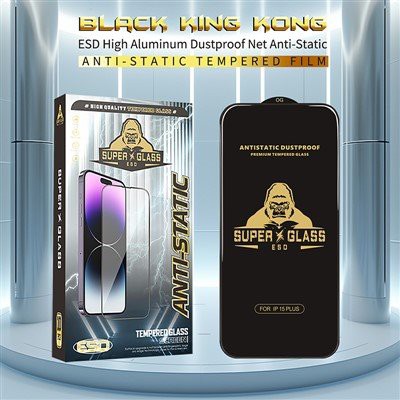
Mobile phone screen protectors are perhaps one of the most familiar phone accessories for modern people. Thin as a cicada's wing, they carry the crucial function of protecting the screen and enhancing the user experience. From the earliest plastic films to today's wide variety of tempered, hydrogel, and privacy films, the technological evolution of screen protectors reflects the importance and reliance people place on their mobile phone screens.
The "First Line of Defense" for Screen Protection
The mobile phone screen is one of the most fragile parts of a device. Even a minor scratch can affect its appearance, while a drop can result in shattered screens, leading to costly repairs. The primary function of a screen protector is to absorb impact and prevent scratches. Early PVC plastic films, while inexpensive, were prone to white edges, bubbles, and poor abrasion resistance. Later PET films offered greater clarity but still offered limited protection against drops. It wasn't until the widespread adoption of tempered glass that protective performance truly improved. Made from reinforced glass, they offer exceptional hardness, effectively resisting scratches from hard objects like keys. Even if they break, they shatter in small particles, minimizing secondary damage to the screen.
Diverse Choices: Meeting Different Needs
Today, screen protectors no longer come in a single form factor. They've evolved into a variety of types tailored to user needs:
• Tempered Glass: The most popular choice, featuring high hardness, scratch resistance, and abrasion resistance, making it ideal for users who prioritize screen protection.
• Hydrogel Film: Flexible material that conforms to curved screens and resists warping, making it suitable for frequent screen protector applications.
• Privacy Screen Protector: Optically restricts viewing angles to prevent onlookers from peeping, making it ideal for those who use their phone in public.
• UV Screen Protector: Cured under UV light, offers exceptional adhesion and is suitable for high-end curved screen phones.
Additionally, there are subcategories like Blue Light Screen Protector (reducing blue light from the screen) and Matte Screen Protector (anti-fingerprinting) to meet the personalized needs of different users.
The Art and Technique of Screen Protector Application
Although applying a screen protector may seem simple, applying it properly is not easy. Dust, bubbles, and uneven edges can all affect the user experience. Many users choose to go to a professional screen protector shop, but many others try to do it themselves. The key to applying a screen protector is:
1. Cleaning the screen: Thoroughly remove grease and dust from the screen with an alcohol wipe or dust removal sticker.
2. Positioning the screen: Ensure the screen protector is perfectly aligned with the screen, especially on curved screens or those with notches.
3. Removing air bubbles: Gently press with a card to squeeze out any air. If necessary, use a dust removal sticker to remove any remaining air bubbles.
With technological advancements, some brands have introduced screen protector-free solutions, such as some phones using super-ceramic glass or self-healing coatings. However, these technologies are not yet widespread, and screen protectors remain the preferred choice for most.
Future Trends: Smarter and Thinner
The future of screen protectors may develop in two directions: one is smarter, such as functional films with integrated touch feedback, anti-glare, and even displays for additional information; the other is thinner and more invisible, such as nano-coating technology, which protects the screen while being virtually invisible.
Regardless, screen protectors remain an indispensable gadget for mobile phone use. They not only protect the screen but also reflect people's meticulous care for their digital lives. The next time you pick up a new protective film, you may realize that this thin piece of glass or plastic is silently guarding every interaction you have with your phone.