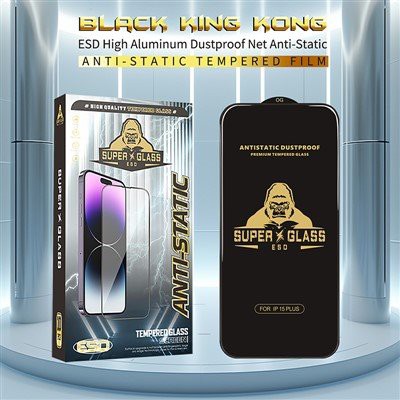
With smartphone photography becoming increasingly powerful, the importance of the phone lens as a core component for capturing images is undeniable. However, the lens surface is easily affected by scratches, dust, and fingerprints from daily use, which can affect image quality. Therefore, the use of mobile phone lens protective films has gradually become a focus of user attention.
Mobile phone lens protective films are transparent films designed specifically for lenses, typically made from high-transmittance optical materials such as PET or tempered glass. Their core function is physical protection, effectively preventing accidental scratches from hard objects such as keys and coins, and preventing image quality degradation caused by minor abrasions. High-quality protective films also reduce the adhesion of fingerprints and oil stains, keeping the lens clean and ensuring clarity and color reproduction every time you shoot.
When choosing a lens protective film, it is important to balance protection and optical performance. Some low-quality films may cause glare or image distortion due to uneven thickness or inadequate coating. Therefore, it is recommended to prioritize low-reflection films with anti-reflection treatments. These products provide protection while maximizing the original light transmission characteristics of the lens. Ease of installation is also a key consideration. The electrostatically attached design eliminates the need for residual glue, making repeated adjustments easier.
It's important to note that while protective films provide basic protection, users should still avoid direct contact between their phone's lens and rough surfaces. Regular cleaning of the film's surface and using the lens ridges on the phone case can further enhance the protective effect.
In summary, a phone lens protective film is not only a practical accessory that extends the life of your device but also a crucial detail that ensures a seamless photography experience. Through intelligent selection and proper use, users can maximize image quality at minimal cost.