With the increasing popularity of smart wearable devices, the market for smartwatch protective films has grown rapidly. Their core functions are scratch resistance, fingerprint resistance, impact resistance, and enhanced touch sensitivity. Currently, the mainstream protective film materials on the market are categorized into three main types: plastic, tempered glass, and composite materials. Each material offers distinct advantages in terms of protection, light transmittance, and user experience.
TPU (thermoplastic polyurethane) and PET (polyethylene terephthalate) are representative plastic protective films. TPU offers excellent flexibility and impact resistance, effectively absorbing the impact of drops and making it suitable for sports. However, its disadvantage is that it easily scratches over time, which can affect light transmittance. PET, on the other hand, prioritizes scratch and fingerprint resistance. Its surface is typically hardened, resulting in light transmittance exceeding 95%, but it is relatively brittle and less drop-resistant.
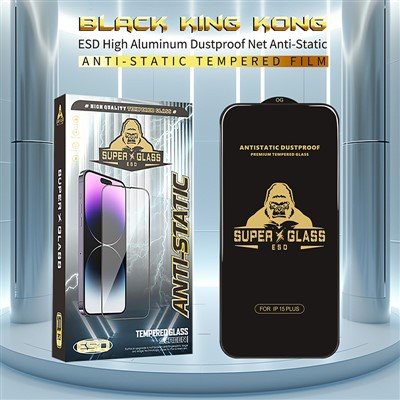
Tempered glass protective films have recently become a popular choice in the high-end market. Made from tempered glass with a hardness of up to 9H, it effectively resists scratches from hard objects like keys while providing a touch experience close to that of a bare phone. Tempered glass films typically range in thickness from 0.2mm to 0.33mm, offering a balanced balance of protection and thinness. Some high-end products also incorporate oleophobic and blue light-blocking coatings for added comfort. However, tempered glass films are susceptible to shattering when dropped. While they protect the screen, fragments can affect the aesthetics.
Composite protective films combine the advantages of multiple materials, such as a nano-coating or tempered glass layered over a TPU substrate, for more comprehensive protection. These products typically offer multiple features, including scratch resistance, fingerprint resistance, water resistance, and oil repellency, making them suitable for users who demand high durability. Furthermore, some manufacturers utilize microstructured designs to optimize touch sensitivity, addressing the operational delays that can occur with traditional protective films.
In the future, the development of smartwatch protective films will prioritize lightweighting and functional integration. For example, the use of self-healing materials can address scratches, while advances in flexible electronics may lead to stretchable protective film solutions. As consumers' demands for device protection become more diverse, material innovation will become a key direction of market competition.